
Key Points at a Glance
- Fear of reinjury after an injury and returning to sport is very common among athletes.
- Physical clearance does not always mean psychological readiness to return to play.
- After an injury, the brain may store the experience as a threat memory, keeping the nervous system on alert.
- Protective responses such as hesitation, muscle guarding, or fear of movement are normal nervous system reactions.
- Brain-based therapies, such as EMDR, can help athletes process injury memories and reduce fear of reinjury.
- Nervous system regulation tools such as HeartMath HRV training can support confidence and performance during recovery.
Fear After Injury Is More Common Than You Think
I recently worked with an athlete who had been making excellent progress in physical recovery after knee surgery. They were the ideal patient in physical therapy—consistent, motivated, and committed to returning to sport.
On the day of our therapy session, they cancelled a few hours before the appointment. Earlier that day, they had felt a strange tweak in their knee, and the text message they sent expressed fear and concern. I imagine their thoughts might have sounded like this:
- What if something is wrong?
- What if I re-injured it?
Instead of coming to therapy, they felt the need to get the knee checked immediately.
This reaction is extremely common during injury recovery in athletes. After surgery or a significant injury, the brain becomes highly sensitive to sensations coming from that area of the body. Even normal sensations can trigger fear of reinjury.
In therapy sessions, I often ask athletes whether they notice things like:
- Guarded movement
- A wave of fear before certain movements
- A vague feeling that something is “off.”
Many athletes quietly ask themselves:
- Why am I still scared after my injury?
- Why do I feel fear after ACL surgery, even though I’m cleared?
- Is something wrong with me if I’m afraid to play again?
If this sounds familiar, you’re not alone. Many athletes experience fear of reinjury after returning to sport, and it does not mean you lack confidence or mental toughness. Often, your brain is simply trying to protect you.
Psychological Readiness to Return to Sport
Sports medicine research has a name for this phenomenon: psychological readiness to return to sport.
Even when an athlete is physically healed, the brain and nervous system may still associate certain movements with danger.
Researchers often measure this using the ACL-RSI Scale (Anterior Cruciate Ligament Return to Sport after Injury Scale). This assessment looks at:
- Confidence in the injured body part
- Emotional responses to returning to sport
- Fear of reinjury
Across many studies, the same finding appears repeatedly:
Physical clearance does not always equal psychological readiness.
An athlete can be medically cleared and physically strong yet still experience hesitation or fear when performing certain movements.
Why the Brain Still Feels Protective After Injury
When an injury occurs, the brain doesn’t only record the physical damage. It also encodes the entire experience, including:
- The moment of pain
- The shock or surprise of the injury
- The movement that caused it
- Environmental details like sights, sounds, or sensations
The amygdala, the brain’s threat detection system, plays a central role here. Its job is simple: remember what caused harm so the body can avoid it in the future.
This system is extremely helpful for survival. But in sports, it can remain active even after the body has fully healed.
For example, after an ACL tear, the brain may still associate movements such as:
- Cutting
- Pivoting
- Landing
- Sudden direction changes
with danger.
When an athlete attempts these movements again, the nervous system may quietly ask:
“Are we sure this is safe?”
If the brain hasn’t updated the safety signal yet, athletes may notice:
- Hesitation during movement
- Guarded or stiff motion
- Tightness around the injured area
- Overthinking movement patterns
- Fear of reinjury
These responses are not signs of weakness. They are protective nervous system responses.
Signs Your Nervous System Is Still Protecting You
You might relate to this experience if:
- You’ve been medically cleared to return to play, but still feel hesitant
- Certain movements trigger fear of reinjury
- You feel mentally stuck, even though your body is physically strong
- Your knee, ankle, or shoulder feels guarded or over-protected
- Others tell you to “just trust it,” but your body doesn’t feel ready
Many athletes experience this phase during return-to-sport recovery.
It doesn’t mean you’re weak or incapable. Often, it simply means the nervous system hasn’t fully updated the safety message yet.
Confidence Isn’t Always the Missing Piece
Athletes are often told things like:
- “Just trust it.”
- “Don’t think about it.”
- “You just need confidence.”
Encouragement is valuable, but sometimes the issue isn’t mindset alone.
Sometimes, the autonomic nervous system still believes the movement is dangerous.
When the nervous system senses a potential threat, it may activate protective responses such as:
- Muscle guarding
- Increased tension around the injured area
- Hesitation during movement
- Heightened awareness of the injury site
These responses are the nervous system’s way of trying to keep you safe.
Helping the Brain Learn That It’s Safe Again
The encouraging news is that the brain can update its safety signals.
For some athletes, recovery requires more than physical rehabilitation. It may also involve helping the nervous system:
- Process the injury experience
- Release stored stress responses
- Rebuild trust in the movement
Eye Movement Desensitization and Reprocessing (EMDR) can support this process.
EMDR therapy helps the brain process experiences that may still be stored as threat memories. As the brain reprocesses these experiences, it can update the message from:
“This movement is dangerous.”
to
“That injury happened, but I’m safe now.”
EMDR offers comprehensive treatment in that it targets the root causes of distress, helps reduce and eliminate present triggers and helps build resilience for future situations. As EMDR therapist, we help clients create a neural template or map to have new adaptive ways of thinking, feeling and responding. We understand that our present experiences are shaped and informed by past experiences. If those past experiences; for example, an injury are still impacting us in the present in a confusing or upsetting way then the body and brain can benefit from the additional healing support EMDR therapy helps promote.
For some athletes, this can reduce fear of reinjury, hesitation, and performance blocks connected to the injury experience.
Training the Nervous System During Injury Recovery
Another important part of returning to sport involves nervous system regulation.
In sessions with athletes, I often incorporate HeartMath tools, which use heart rate variability (HRV) training to support emotional and physiological regulation.
Through guided breathing and real-time biofeedback, athletes can learn to:
- Calm the nervous system
- Improve emotional regulation
- Increase resilience under pressure
- Help the body shift into a state of safety
This type of training supports the autonomic nervous system, which plays an important role in both recovery and performance.
Returning to sport is not just about rebuilding strength. It is also about helping the brain and body feel safe again during movement.
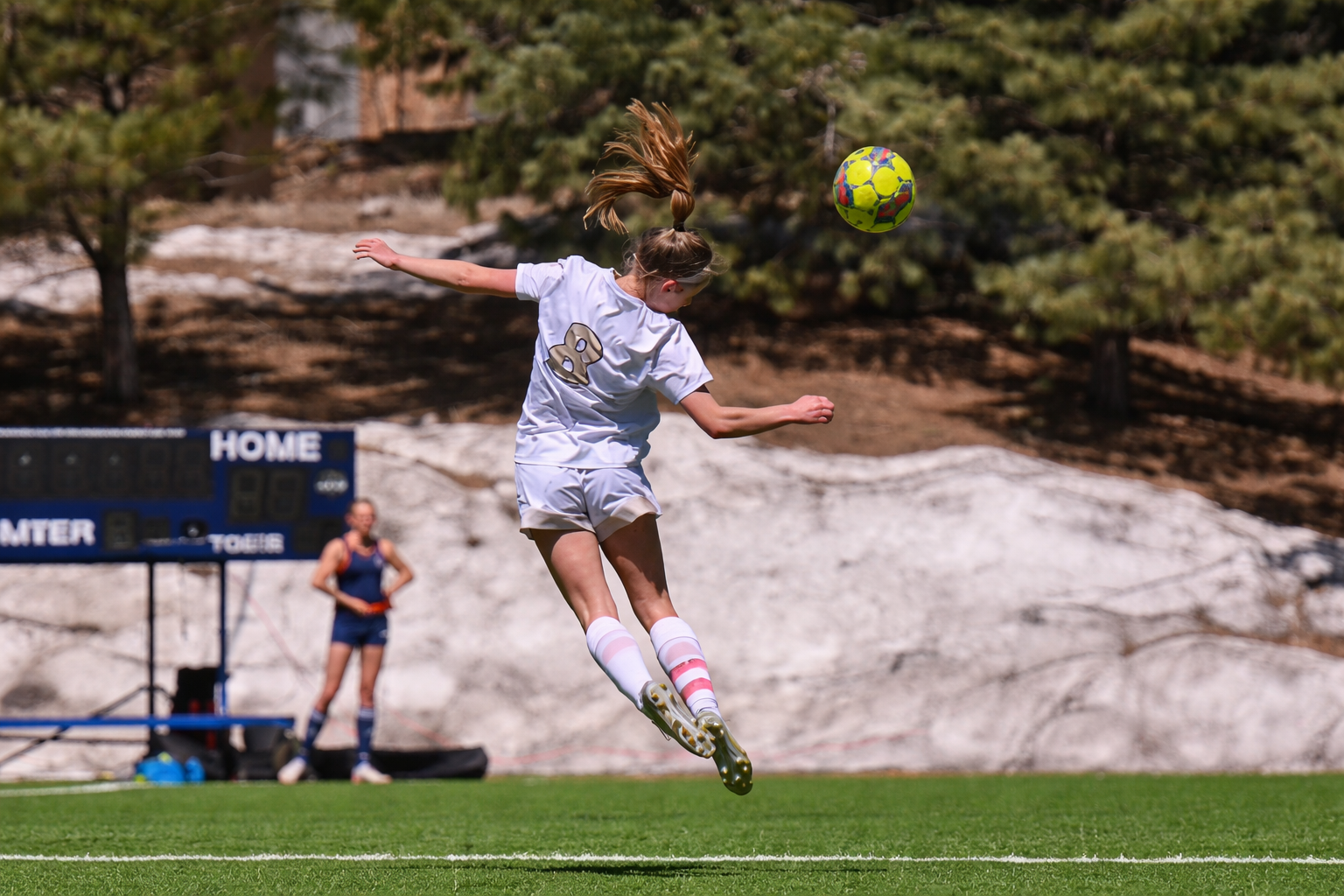
Photo Credit: Kristan King