


Key Takeaways
- EMDR for athletes: Informed tools help athletes regulate, process, and stay present under pressure.
- Modern sports environments expose athletes to high emotional intensity, injury risk, and relational tension.
- HeartMath strengthens nervous system coherence and emotional stability in real time.
- The Container technique builds mental flexibility and protects focus during competition.
- Curiosity reduces reactivity and supports healthier relationships in sport contexts.
- These tools are simple, trainable, and transferable beyond therapy into daily performance.
A Week That Reflects Modern Sports Culture
It’s a Friday night game under the lights, the cold spring air in Colorado moves through a stadium framed by mountains to the west. The third period of a high school varsity lacrosse game—my son dodges toward the goal, and then he’s down. Players take a knee. Coaches and trainers rush in.
It’s Sunday morning. I’m in a college gym watching a club basketball game wrap up before my son’s team plays. A player fouls out. His coach yells at him to leave—to go up to the stands. Something is said back. Moments later, his mother is yelling at him from the stands just a few feet away.
It’s Monday night. First varsity lacrosse game of the week. First play: a goal, followed by a late hit. A top player is down—possible concussion. The game escalates. Minutes later, another late hit from behind. A player drops and doesn’t move. Players all take a knee. I hear a parent say someone yelled “good job” after the hit. It’s the last play of the game. The player is taken for care in an ambulance, and the coaches decide to end the game. I watch the body language of the players and parents as they leave the game, feeling the intense energy and the strange stillness.
All of this happened in six days.
I’m not only a clinician who works with athletes, coaches, and leaders—I’m also a mother sitting in the stands, and a former Division I athlete. I hold all three perspectives at once. I find myself wondering: Was it like this when I played?
As a colleague recently said, “We can’t put the genie back in the bottle.”So the question becomes: How do we move forward in supporting mental health and wellness in modern sports culture?
Sports as a Mirror of the Human Experience
Sports reflect life in real time:
- Highs and lows
- Success and failure
- Connection and conflict
- Control and unpredictability
The challenge is not eliminating intensity—but learning how to navigate it without becoming overwhelmed. On Friday night, I saw one of my son’s friends beaming—smiling ear to ear after playing his best game of the season. Earlier in the week, I was at a track meet where, despite everything happening, there was also a sense of normalcy—athletes competing and connecting. These moments matter too. The ordinary, the extraordinary, the confusing, painful and frustrating moments and even sheer elation. So how do we stay connected, curious, collaborative within the intensity of the sports environment?
I want to suggest we start with ourselves—and then extend that to the athletes, coaches, referees, and families around us.
Two key questions emerge:
- How do we stay informed by past experiences without being controlled by them?
- How do we remain connected to emotions without becoming flooded?
This is where EMDR-informed tools and HeartMath techniques become helpful—not just for therapy, but for performance and life.
EMDR for Athletes: Practical Tools for Regulation and Performance
Below are three foundational tools used in EMDR for athletes’ preparation and performance psychology.
1. HeartMath (Regulation & Coherence)
HeartMath focuses on heart rate variability (HRV), breathing, and positive emotional activation to regulate the nervous system.
- Simple and trainable
- Builds emotional stability under pressure
- Enhances clarity, creativity, and resilience
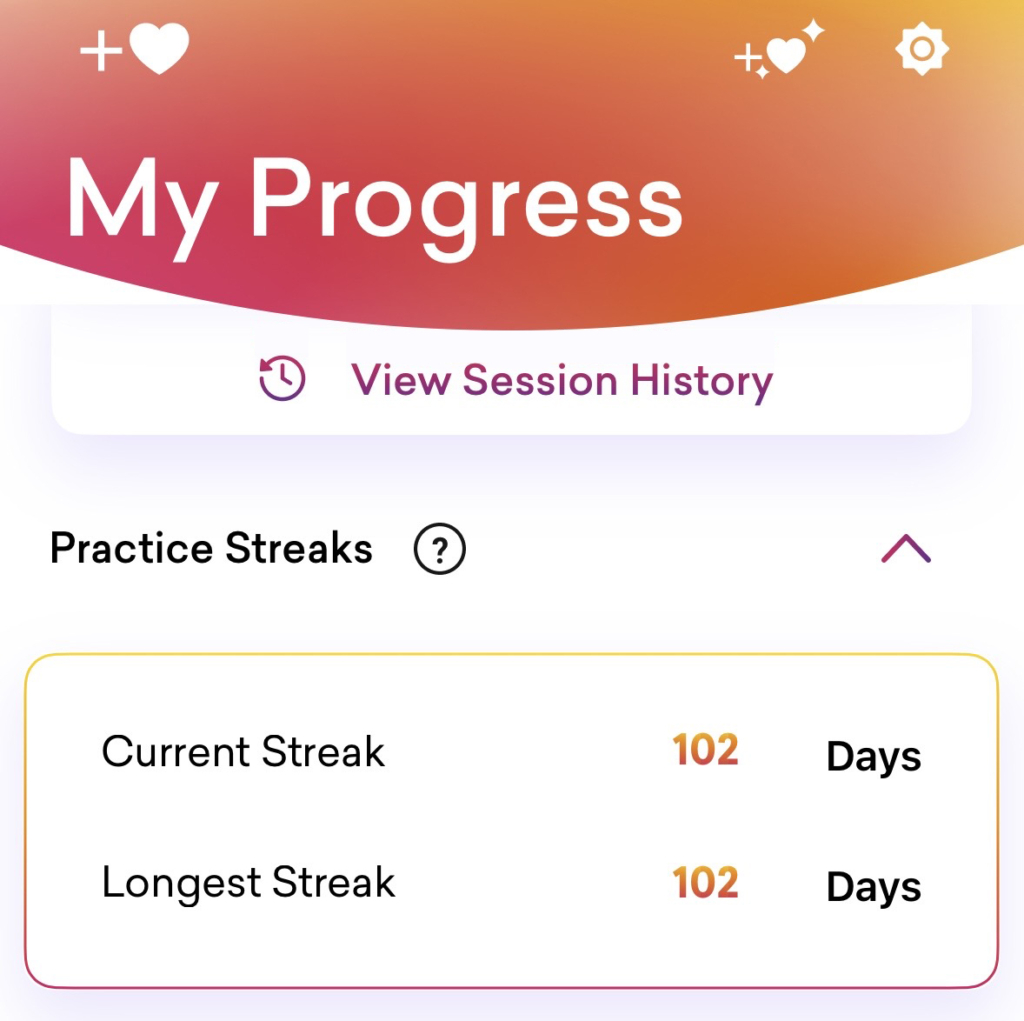
A few months ago, I realized I was asking clients to practice HeartMath on a regular basis and not doing the same. I wanted to practice what I was encouraging others to do since I had been missing days on busy weeks. Since committing to a consistent HeartMath practice (100+ days and yes excitement about the streak is helping) I have noticed:
- More steady energy
- Increased creativity
- Greater grounding during high-intensity moments
Why it matters for athletes (and all humans):
HeartMath helps shift from reactive states (fight/flight) to coherent performance states, improving decision-making and recovery.
2. The Container (Mental Flexibility & Focus)
The Container is a visualization tool used in EMDR to manage overwhelming thoughts, fearful and anxious thoughts, important realizations, really any thoughts
How it works:
- Imagine a container (locker, gym bag, safe, box)
- Modify the intrusive thought:
- shrink it
- mute it
- turn it black and white
- pixelate it
- wrap it
- submerge it
- Place it inside the container
This creates psychological distance.
Why it matters for athletes:
- Protects focus during competition
- Builds mental boundaries
- Allows delayed processing when capacity is higher
Not everything needs to be processed in the moment.
3. Curiosity (The Antidote to Reactivity)
In high-pressure environments, the default is often:
- Judgment
- Anger
- Blame
Curiosity interrupts this pattern.
Curiosity creates:
- Space between stimulus and response
- Perspective and empathy
- Better communication and repair
In sports, where emotions run high, curiosity becomes a performance and relational skill.
Rupture, Repair, and the Reality of Sport
Sports environments are full of relational moments:
- Conflict between players and coaches
- Emotional reactions from parents
- Team tension after mistakes or injuries
In therapy, we talk about rupture and repair.
Sports offer those same opportunities—repeatedly.
The question is not whether rupture will happen.
The question is:
Are we equipped to repair?
Integrating EMDR and HeartMath in Sports Performance
Athletes today need more than physical training.
They need:
- Emotional regulation tools
- Mental flexibility strategies
- Nervous system awareness
- Relational intelligence
EMDR for athletes, combined with HeartMath techniques, provides a practical framework to:
- Process difficult experiences
- Stay present under pressure
- Recover faster from setbacks
- Perform with clarity and confidence
Final Reflection
Thankfully, my son walked off the field that Friday night. He later shared he had taken a hit to an old injury. It was a stressful moment as a parent, the last time his team took a knee just a few days earlier, a teammate left in an ambulance. It was terrifying. Thankfully, my son’s teammate is recovering.
I don’t know what happened after the moment between the coach, the player, and his mom. But I hope there were repair conversations.
A Question for Athletes, Coaches, and Leaders
Pause and reflect:
- What are you carrying onto the field, court, or track?
- What tools do you have to work with it?
The intensity of sport isn’t going away.
But how we meet it can evolve.