
Key Takeaways
- Athlete performance blocks are not always about motivation or discipline.
- Athlete EMDR Intensives can help athletes process unresolved stress, injury experiences, and performance disruptions.
- Summer often creates the ideal window for deeper therapeutic work outside competitive demands.
- Sleep, nervous system regulation, and recovery are foundational for both mental health and athletic performance.
- Athlete-focused EMDR intensives combine performance enhancement with trauma-informed therapeutic care.
- Many athletes experience improvements in confidence, emotional regulation, focus, and pressure management after intensive work.
Intensive Therapy for Performance Blocks and Mental Health Allows for Deeper, Focused Work without Long Gaps Between Sessions
A few weeks ago, I attended the Inaugural College Athlete Mental Health Conference in Houston, where professionals gathered to discuss the rapidly evolving landscape of college athletics and the growing mental health needs of athletes.
One theme surfaced repeatedly throughout the conversations:
Today’s athletes are navigating enormous pressure, identity demands, transitions, injury recovery, uncertainty, performance expectations, and nervous system overload — often while trying to maintain high-level performance. Many are also doing this while chronically sleep-deprived.
As sports continue to evolve, there is a growing need for integrated approaches that address both athletic performance and mental health together rather than separately. This is one of the reasons athlete-focused EMDR intensives can be so powerful.
Why Summer and Breaks for EMDR Intensives for Athletes?
For many athletes, especially college athletes, summer offers a rare opportunity to slow down for a few days at least and finally address experiences pushed aside during the season.
During competition season, athletes often move nonstop between:
- Practices
- Travel
- Games
- Recovery
- Academics
- Media pressure
- NIL responsibilities
- Social expectations
- Family and friend expectations
Even when an athlete realizes something feels “off,” there is rarely enough emotional or logistical space to fully process it.
One athlete shared:
“I don’t have time to feel; I am in the middle of season, classes, and everything else.”
That honesty reflects the reality many athletes live in every day.
Sleep, Recovery, and Athlete Mental Health
Sleep is one of the most overlooked performance variables in modern athletics. It directly impacts:
- Emotional regulation
- Recovery
- Focus
- Nervous system functioning
- Cognitive processing
- Injury recovery
- Mental resilience
Many Division I athletes reportedly average only 6–7 hours of sleep per night during the season, despite recovery recommendations calling for significantly more. (SSI_SleepWellnessFactSheet.pdf)
Long travel schedules, conference restructuring, time zone changes, academic pressure, and constant stimulation continue to increase stress on the nervous system.
This raises an important question:
If There Isn’t Time for Sleep, Is There Time for Therapy?
Ironically, summer may be one of the few seasons when the nervous system finally has enough space for deeper therapeutic work.
Stepping away from the constant intensity of competition can create room to process:
- Injury experiences
- Burnout
- Confidence disruptions
- Coaching experiences
- Relationship stress
- Identity struggles
- Performance anxiety
- Unresolved emotional stress
For many athletes, unresolved experiences continue affecting present performance even after the original event has passed.
Common Signs of Performance Blocks in Athletes
Athletes often describe performance blocks in ways such as:
- Performing well in practice but struggling in competition
- Overthinking under pressure
- Rumination and looping thoughts
- Difficulty trusting themselves
- A harsh inner critic
- Feeling physically tight during competition
- Fear after injury
- Replaying mistakes repeatedly
- Difficulty turning their brain off at night
- Sleep disruption before competition
- Feeling stuck despite mental skills training
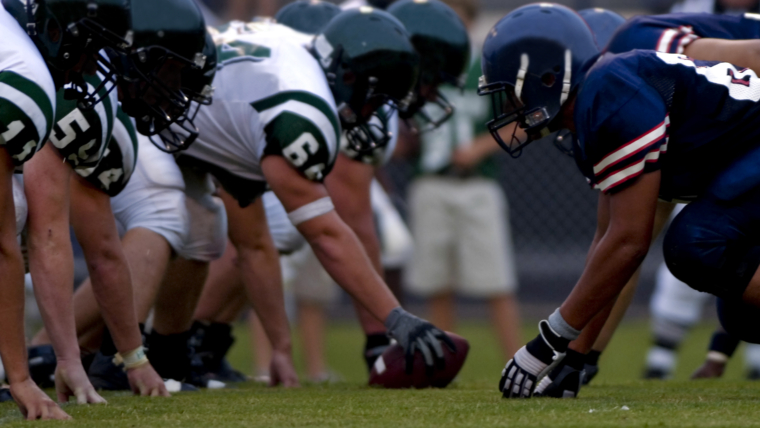
A classic example is the athlete who repeatedly relives a public mistake, such as a field-goal kicker missing a kick at the end of a game.
Performance blocks are not always mindset problems. Sometimes the nervous system continues to carry unresolved experiences that interfere with confidence, physiological regulation, and optimal performance.
What Happens During an Athlete EMDR Intensive?
Athlete EMDR intensives are intentionally structured to create safety, stabilization, and clarity before deeper processing begins.
Day one often includes:
- Resourcing work
- Nervous system regulation tools
- Positive memory strengthening
- Grounding strategies
- HeartMath coherence practices
- History taking
- Collaborative target planning
The process helps identify moments, patterns, and experiences that still feel emotionally or physiologically “stuck.”
Goals for the intensive may include:
- Feeling freer to fully perform
- Rebuilding confidence after injury
- Reducing the gap between practice and competition performances
- Improving focus under pressure
- Feeling calmer and more regulated during competition
EMDR Therapy and Performance Enhancement
The additional time and continuity of an intensive model allow athletes to move beyond symptom management and into deeper integration work.
Depending on the athlete’s needs, treatment may integrate:
- EMDR therapy
- Nervous system regulation strategies
- Visualization techniques
- HeartMath coherence training
- Internal Family Systems-informed work
- Performance psychology interventions
- Recovery-based approaches
The goal is not simply to reduce distress.
The deeper goal is often helping athletes feel:
- More present
- More connected
- More regulated
- More confident
- Freer to access their optimal performance state
- More like themselves, strengthened identity verse identity foreclosure
Why Intensive Therapy Works Well for Athletes
One of the most common things athletes say after an intensive is:
“The time went by so fast.”
The intensive format works particularly well for athletes because it respects the realities of:
- Busy training schedules
- Competition demands
- Travel requirements
- Limited availability during the season
Rather than stretching important processing work across scattered sessions over many months, intensives create continuity and momentum that can support deeper integration and healing.
The Importance of Sleep After EMDR Reprocessing
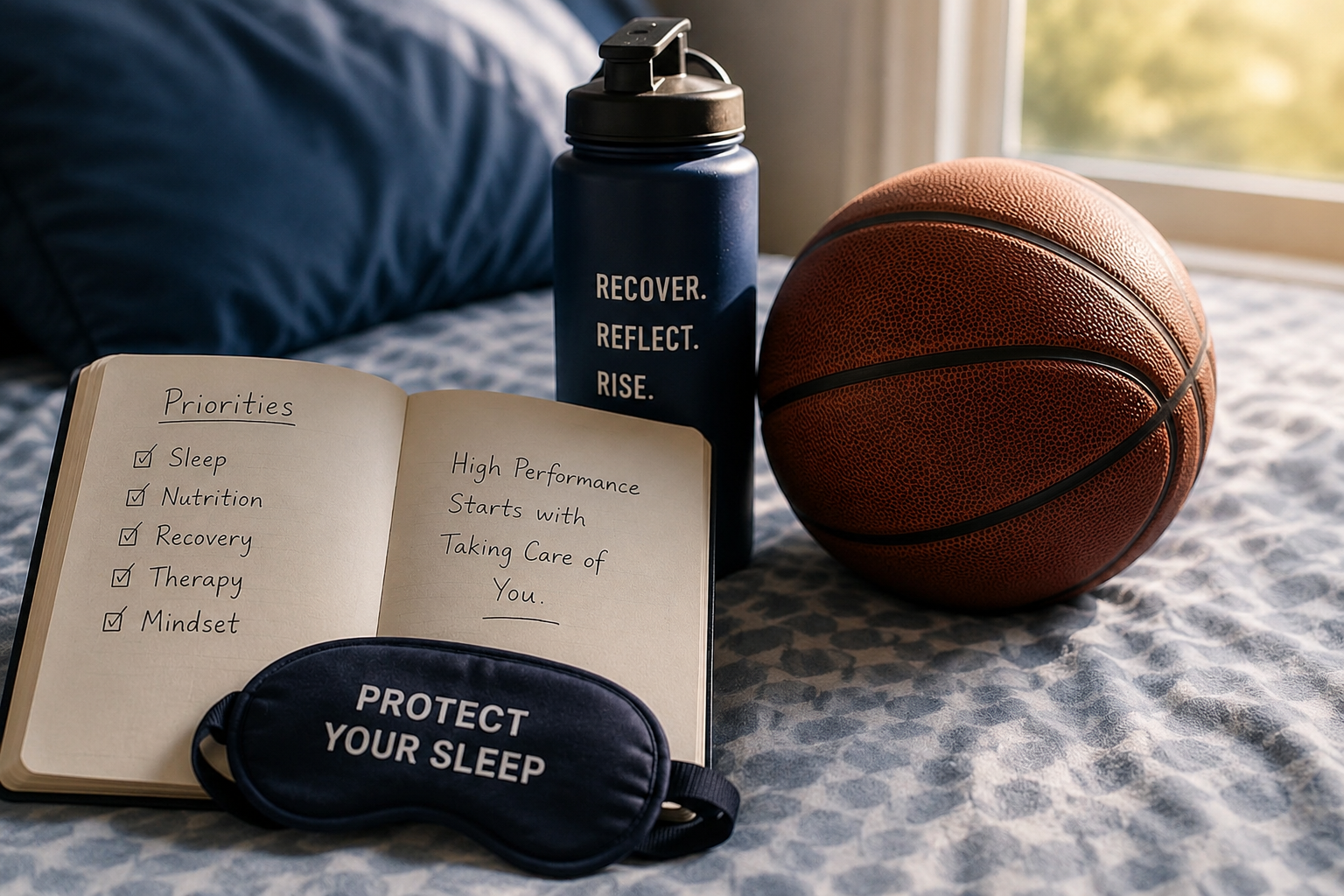
Sleep after EMDR processing is not optional — it is part of the therapeutic work itself.
During sleep, the brain and nervous system continue to consolidate and integrate what was processed during sessions. Athletes are therefore encouraged to protect sleep as much as possible throughout the intensive process.
For many athletes, this combination of focused processing, nervous system regulation, and intentional recovery creates an opportunity to step out of survival mode and return to training feeling clearer, grounded, and freer to perform.
And for many athletes, summer may be one of the only seasons where there is finally enough space to do that work.