

Part 2 of the Men’s Mental Health Month Series
In my previous article, I shared part of my father’s story. After an injury and then multiple surgeries his football career at the University of Alabama ended. He faced a challenge familiar to many athletes: navigating an athlete identity transition and learning how to move forward when the dream changes. For countless athletes, an athlete identity transition begins when injury, retirement, or unexpected circumstances force them to redefine who they are beyond sport.
At 19 years old, he was forced to confront a reality he never expected. Football had been a significant part of his life, but suddenly the path he had envisioned was gone.
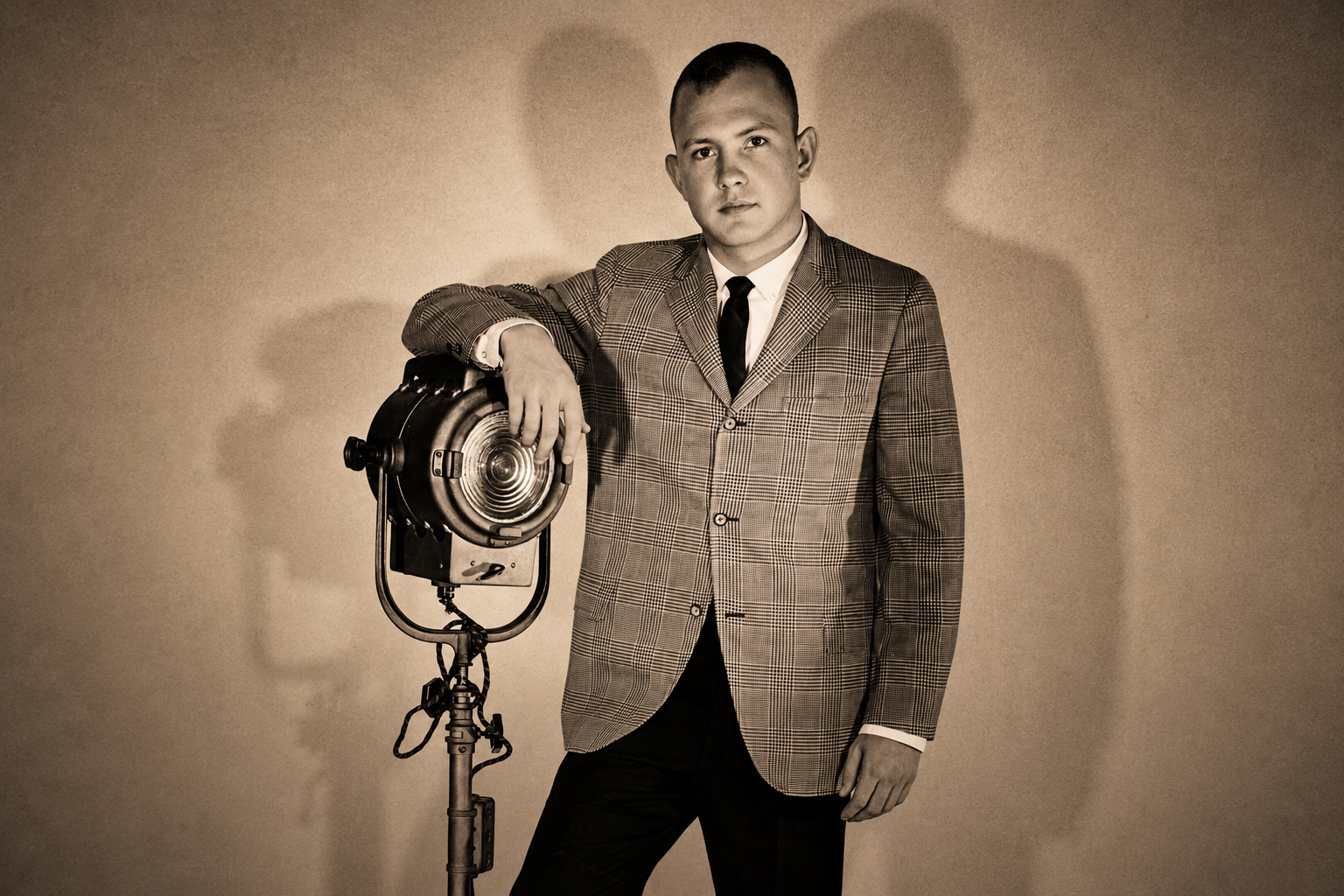
When I look at a photo from that period, I often wonder what he was feeling. His teammate, Joe Namath, had loaned him a jacket so he could run for student government. Despite the disappointment, uncertainty, and pain he was carrying, he chose to put himself out there and pursue something new.
He stayed involved with the football program, helping with recruiting and supporting the team while maintaining his scholarship- this must have been incredible hard, being so close to the team still and no longer playing. His role completely changed.
Looking back, I imagine he grieved deeply. Yet he also leaned into other parts of himself.
He was still a son, a brother, an honor student, a student leader, a friend, and a future professional.
Football was his passion and dream, but it was never all of who he was.
That lesson continues to shape how I think about athlete mental health today.
Athlete Identity Transition: When Performance Becomes Identity
Sport has a unique way of shaping identity.
Performance psychologist Michael Gervais writes that many people unknowingly tie their self-worth to outcomes, achievements, rankings, and external validation. When confidence becomes dependent on results or others’ approval, setbacks can feel deeply personal.
Gervais describes this dynamic as FOPO—Fear of Other People’s Opinions—and argues that greater freedom comes from grounding identity in values, character, and purpose rather than outcomes alone.
Fear of Other People’s Opinions is difficult because we are wired for connection. We naturally care about belonging and acceptance. The challenge is learning to stay connected to others without allowing their expectations to define our worth.
Elite athletes dedicate thousands of hours to training, competition, recovery, and performance. Over time, being an athlete becomes more than something they do—it becomes part of who they are.
There is nothing inherently wrong with a strong athletic identity. In fact, it can be a powerful source of motivation, meaning, and purpose.
The challenge arises when identity becomes too narrow.
Why Diversifying Identity Matters
I recently heard an analogy that I now share with athletes.
If you had a million dollars to invest, would you put it all in one bank? What would happen if that bank experienced a cyberattack or financial crisis?
Most people would diversify.
Identity works similarly.
We can invest heavily in sport, but when all of our energy, purpose, and self-worth are stored in a single role, we become vulnerable when circumstances change.
When an athlete’s entire sense of self becomes tied to performance, injury, retirement, deselection, or transition can feel like more than a change in circumstances. It can feel like a loss of self.
Many athletes find themselves asking:
- Who am I if I can’t compete?
- Who am I if my career ends?
- Who am I without the jersey, the team, or the next season?
These are not signs of weakness.
They are deeply human questions that often emerge during major life transitions.
The Grief Behind Athlete Identity Transition
When we talk about injury or retirement, the conversation often focuses on rehabilitation, next steps, and moving forward.
However, for many athletes, the experience is also a grief process.
When the body can no longer do what it once could, or when competition is no longer available, athletes are often left facing uncertainty that is difficult to name.
What changes is not only what they do, but also how they understand themselves, how they feel connected to others, how they relate to bodily sensations, and how they connect to the intense emotional highs that sport can provide.
Grief does not discrimination- whether an athlete chooses retirement or their career ends by injury, deselection, or circumstances beyond their control, grief is often present. Transitions often requires grieving not only a role, but also a future that once felt certain.
Underneath that shift is a quieter question many athletes carry:
What happens when fighting no longer changes the outcome?
When effort alone cannot alter reality?
What happens when the dream changes?
The Unique Challenge for Men
As June reminds us through Men’s Mental Health Month, many men face additional challenges when navigating identity transitions.
From a young age, boys often receive messages such as:
- Be tough.
- Push through.
- Don’t complain.
- Stay strong.
- Perform.
- Produce.
- Win.
Many of these qualities contribute to athletic success.
They help athletes persevere through difficult training, setbacks, and adversity.
However, those same messages can make major transitions more difficult.
When performance has been a primary source of purpose, structure, and validation, losing that role can leave men feeling uncertain about who they are and where they belong.
Underneath struggles with depression, anger, isolation, substance use, or emotional withdrawal, there is often a deeper question:
Who am I now?
Athlete Identity Transition After Retirement
One topic that repeatedly comes up in conversations with former collegiate and professional athletes is the challenge of life after sport.
For years, athletes often live in highly structured environments. Their schedules, goals, routines, relationships, and purpose revolve around competition.
Retirement frequently requires a significant athlete identity transition.
Some former athletes become more involved in parenting. Others support their partners’ careers, pursue new professional opportunities, return to school, or take on leadership roles within their communities. What can feel like meaningful change on the outside can be confusing and cause internal tension.
These changes can challenge long-held beliefs about success, purpose, and identity.
For many, the hardest part of retirement is not leaving sport itself; it is learning to recognize self-worth beyond sport.
The qualities that made them successful athletes—leadership, discipline, commitment, resilience, teamwork, and perseverance—remain.
My father’s football career ended unexpectedly, but those same qualities helped him build a successful career in technology, eventually leading to executive leadership roles.
The athlete was still there, (my dad said one of the things he missed most after his injury was the competition) the arena had simply changed.
How EMDR Can Support Athlete Identity Transition
As an Eye Movement Desentization and Reprocessing (EMDR) therapist working with athletes, I often see how identity transitions activate experiences of loss, uncertainty, shame, fear, and grief.
Over time, athletes may carry memories connected to career-ending injuries, deselection, retirement announcements, public criticism, or moments that fundamentally changed how they viewed themselves.
If these experiences get stuck and become stored in ways that continue to influence confidence, self-worth, and future decision-making in negative ways EMDR can help individuals process these experiences while strengthening adaptive beliefs about who they are beyond performance. An example would be the internal belief (positive cognition)- I am enough (After EMDR) compared to (negative cognition) I’m nothing without my sport (before EMDR.)
Rather than erasing the athlete identity, the goal is to integrate it into a broader and healthier sense of self.
Connection During Athlete Identity Transition
One of the most consistent themes we discuss as providers working with athletes navigating injury, retirement, and major life transitions is the importance of connection.
Many athletes learn from an early age to handle challenges independently.
They should be able to figure things out on their own.
This is where group work, peer support, and meaningful relationships become so important.
Hearing another athlete say, “I’ve been there too,” can reduce shame and create space for healing.
Connection reminds athletes that they are not alone.
I often explain the concept of neurosception to clients: our nervous system is constantly scanning below conscious awareness for signs of safety and connection.
Imagine spending years—or decades—surrounded by teammates, coaches, staff, and daily structure, only to transition into a life that feels far quieter and less connected.
Research consistently identifies social support as a protective factor for mental health and well-being.
We were never meant to do this alone.
Building Resilience Through Athlete Identity Transition
The goal is not to stop identifying as an athlete.
The goal is to develop an identity that is bigger than sport.
Athletic identity can remain an important and meaningful part of who someone is.
However, resilience often grows when athletes recognize other important roles and values in their lives.
They may also be:
- A parent.
- A spouse.
- A sibling.
- A friend.
- A mentor.
- A student.
- A leader.
- A professional.
- A volunteer.
- A person of faith.
- A member of a community.
The more sources of meaning and connection we cultivate, the more resources we have available when life inevitably changes.
Thriving Beyond Athlete Identity Transition
My father’s football career ended much sooner than he hoped.
Yet the qualities that helped him succeed as an athlete continued to serve him throughout the rest of his life.
Athletes are more than their sport.
One phrase I find myself repeating often is:
Human first. Person before performer.
If you are navigating injury, retirement, transition, or uncertainty, consider this question:
What parts of you remain when the uniform comes off?
Chances are, far more remains than you realize.
When the dream changes, the story is not over.
It’s almost Father’s Day, and I am thinking of the man I call my dad.
I only have known him since his career ending injury. I never knew the athlete he once was, all the dreams he lost or saw change and all the identity shifts he has had to navigate in life. What I do know is the man he became a hard-working, loyal and loving father.
His life shows us that experiences in sport can shape us but they don’t define all of us. Life will always include uncertainty and unexpected transitions. The more connected we are to our values, relationships, purpose, and internal resources, the more prepared we are to navigate those changes.
To my dad and all the fathers whose stories extend far beyond their athletic careers, Happy Father’s Day!
One of the greatest privileges of my work as a therapist is witnessing the courage it takes for someone to share their story, grieve what has been lost, and remain open to the possibility of growth.
Even when the dream changes, hope remains.
Suggested References
Gervais, M., & Lake, K. (2025). The First Rule of Mastery: Stop Worrying About What People Think of You. HarperOne.
Brewer, B. W., Van Raalte, J. L., & Linder, D. E. (1993). Athletic Identity: Hercules’ Muscles or Achilles Heel? International Journal of Sport Psychology, 24(2), 237–254.
Lally, P. S. (2007). Identity and Athletic Retirement: A Prospective Study. Psychology of Sport and Exercise, 8(1), 85–99.