
Key Takeaways
- The athlete nervous system regulation process has become more important than ever.
- Elite athletes now perform under unprecedented levels of public scrutiny.
- Social media, instant replay, and sports betting have fundamentally changed the psychological environment surrounding competition.
- Mental preparation extends beyond confidence, visualization, and technical practice.
- Supporting the nervous system before, during, and after competition may become one of the greatest competitive advantages in modern sport.
A Memory That Has Stayed with Me
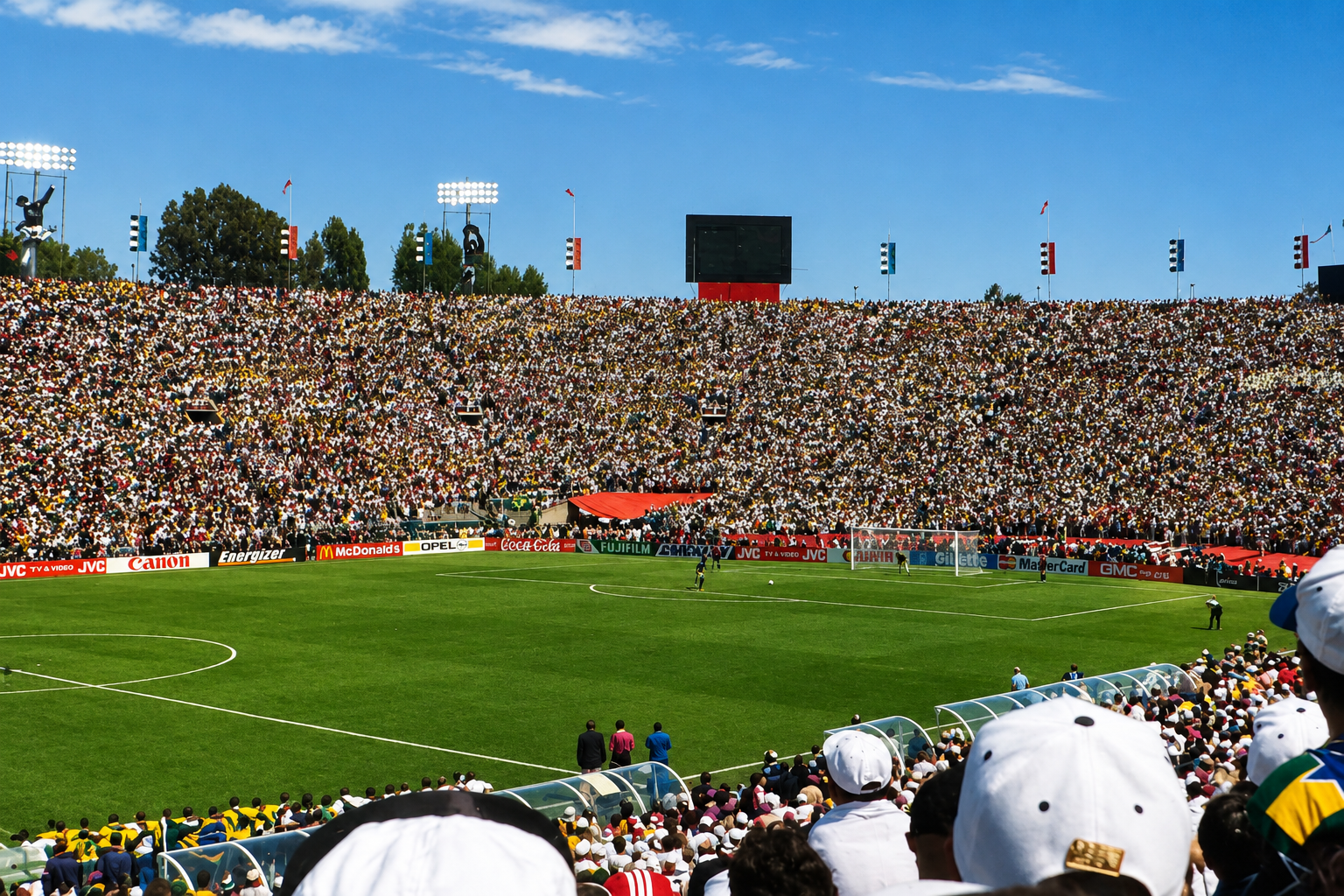
I was 19 years old when I had the incredible opportunity to attend the 1994 FIFA World Cup Final between Brazil and Italy thanks to the generosity of a college teammate’s family.
I still remember the anticipation in the stadium as the championship came down to penalty kicks, (and being worried we might miss our return flight due to the extended game time.) The feeling of everything leading up to each shot and stadium crowd energy pulsing between silence and screams of elation and loss- all swirled together. It was one of the most unforgettable sporting moments I’ve ever witnessed.
Watching Germany and the Netherlands exit this year’s World Cup on penalty kicks brought me back to that day.
It also reminded me why athlete nervous system regulation has become one of the most important topics of conversation in modern sport.
The penalty kick hasn’t changed.
The world surrounding the athlete has.
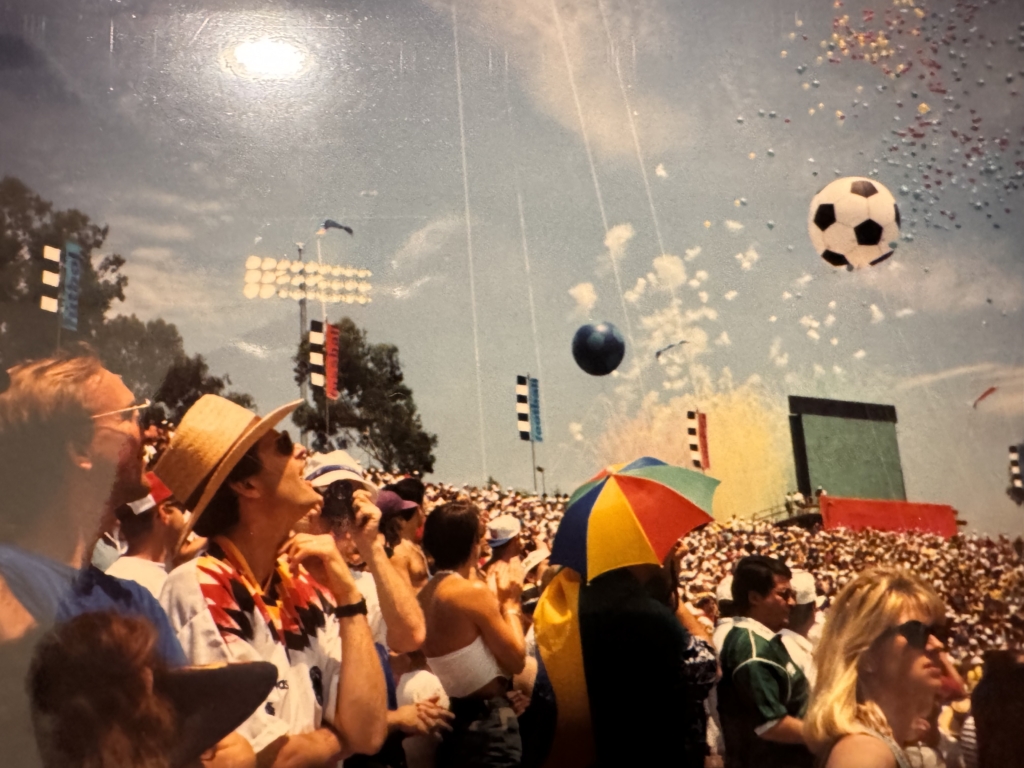
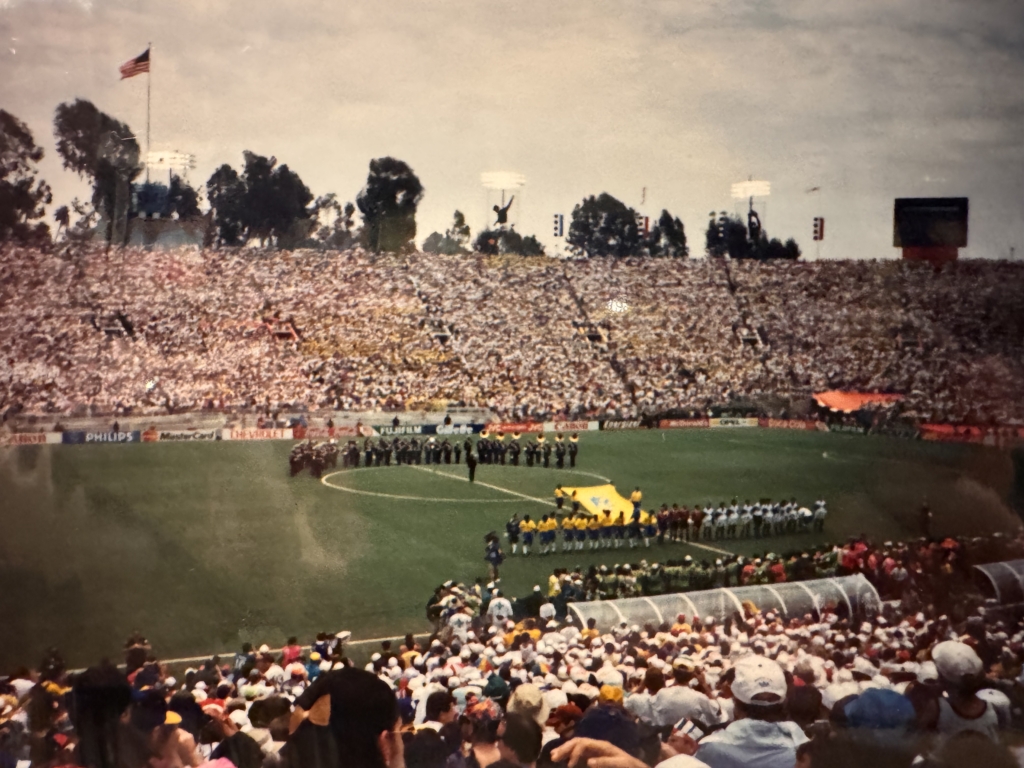
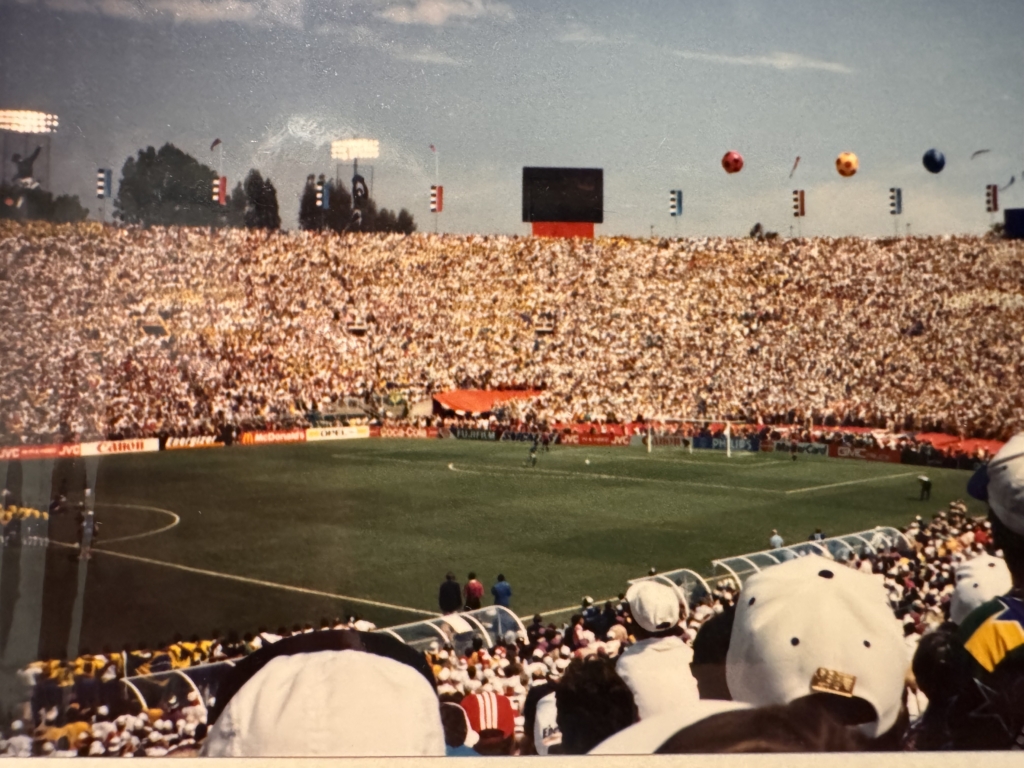
These are original images I took at the 1994 World Cup final, which ended in a penalty shootout, with Brazil winning over Italy.
Athlete Nervous System Regulation in Today’s Competitive Environment
Elite athletes have always faced extraordinary pressure. Representing your country on the world’s biggest stage has never been easy.
Yet the environment surrounding those moments looks very different today than it did three decades ago.
Today’s athletes compete in a world of instant replay, nonstop social media commentary, and a sports betting industry that has grown dramatically. A single moment can be replayed thousands of times, analyzed from every angle, and discussed around the world within minutes.
Should we consider, that athletes may be performing within an environment that presents their nervous systems with far more sources of evaluation, scrutiny, and consequence than previous generations experienced.
Understanding athlete nervous system regulation means recognizing that performance is influenced not only by physical preparation but also by the psychological environment in which competition takes place.
The Nervous System Responds to More Than the Moment
One of the things I often discuss with athletes is that our nervous system doesn’t respond only to the task in front of us—it responds to the context surrounding it, as well as to past experiences and future predictions.
Financial stress is real.
Social evaluation is real.
Public criticism is real.
A player standing over a penalty kick may not consciously be thinking about sports betting or social media in that exact moment. However, they live, train, and compete in a world where a single missed kick can trigger immediate criticism, online abuse, and emotional reactions from millions of people—including strangers who may have had money riding on the outcome.
The nervous system doesn’t experience pressure in a vacuum.
It experiences the entire environment. It helps explain emotional contagion within teams and clubs.
For this reason, athlete nervous system regulation is becoming an increasingly important part of helping competitors remain present under extraordinary pressure.
A Different Question About Athlete Nervous System Regulation
Following Germany’s elimination, researcher Geir Jordet noted that penalty success depends not only on technical ability but also on psychological preparation—including routines, attentional control, and learning to perform under immense pressure.
That insight made me wonder whether we’re missing some important questions during post-game analysis.
Instead of simply asking:
“Why did they miss?”
What training should we be implementing more of?
And instead of searching only for the highlights, the missed penalty, or the names of the heroic and heartbroken players like Jonathan Tah, Crysencio Summerville, Orlando Gill, Ismael Saibari, Jose Canale, and asking whether Germany has ever lost a World Cup penalty shootout before…
Maybe we should also be asking:
- How can we better support athletes’ nervous systems before, during, and after moments such as a World Cup match that is decided by penalty kicks?
- How is neuroscience changing the game and our understanding of player’s training, responses and the level of competition?
- How can coaches and support staff better prepare athletes for the emotional demands that exist beyond the field?
These questions may become just as important as technical or tactical preparation.
Performance Preparation Is Evolving
As sport continues to evolve, perhaps our understanding of performance can aspire to keep pace in evolving alongside it.
Preparing athletes may no longer be just about refining technique, building confidence, practicing breathwork, visualization, or mental rehearsal. These approaches remain valuable and should absolutely continue.
However, modern performance may also require helping athletes understand how their nervous systems respond to extraordinary levels of visibility, expectation, evaluation, and pressure.
This is where conversations around athlete nervous system regulation become increasingly relevant—not only for recovering after difficult moments but also for preparing athletes before those moments ever occur.
The penalty kick hasn’t changed.
But the world surrounding the athlete—and the nervous system competing within it—certainly has.